Blog
- All
- Announcements
- Community & Events
- Grants & Grantee Insights
- Interledger Technology
- Thought Leadership
108 Results
-
Banking Without Banks: What Africa Can Teach the U.S. About Financial Access
Africa’s fintech innovations, including Ghana’s digital onboarding, Nigeria’s collaborative fintech ecosystem, and Kenya’s mobile money success, show how accessibility-first financial systems can dramatically expand financial inclusion and economic opportunity.
 5 min read
-
The Future of Financial Inclusion Starts With Trust
Financial inclusion starts with trust: people need financial systems that are transparent, relevant, and aligned with how they earn and manage money today. As the digital economy grows, institutions must combine modern technology with education and community-focused design to expand opportunity.
 8 min read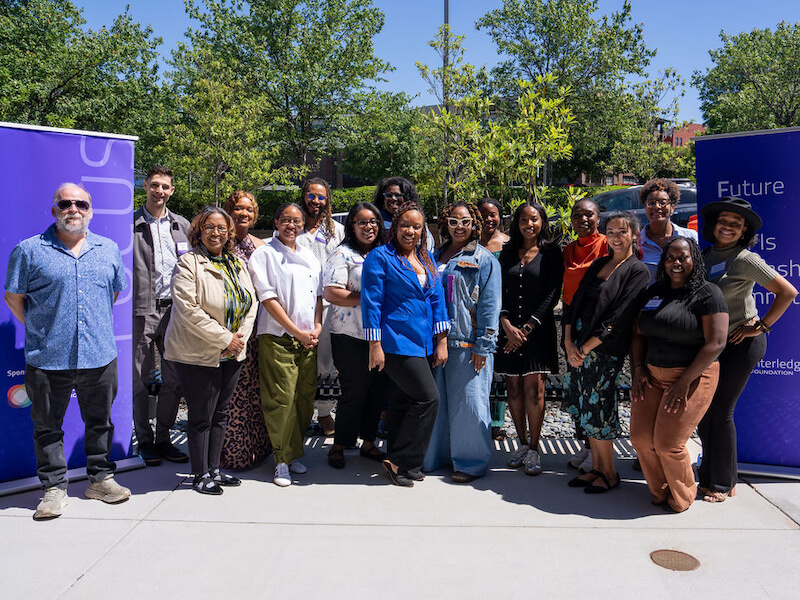
-
Why We Funded Research Into Who Gets Left Out of Instant Payments
Research across more than 20 countries found that instant payment systems often aim for inclusion but are designed in ways that exclude smaller financial providers through governance, regulatory, economic, and technical barriers.
6 min read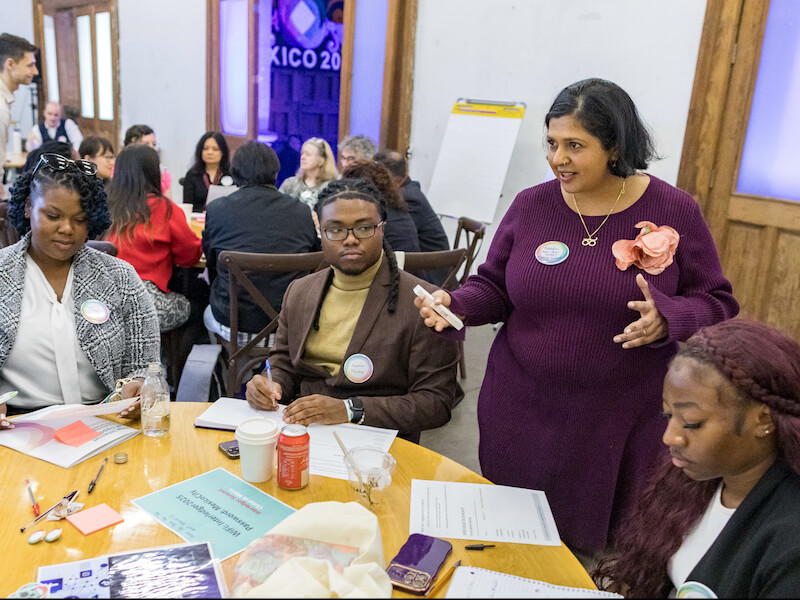
-
Why Campuses are Becoming Testbeds for Digital Finance
Universities like Bowie State University are becoming key testing grounds for inclusive digital finance, where students with lived experience of financial exclusion help design more equitable systems. Its partnership with the Interledger Foundation shows how education and community engagement can shape the future of accessible financial infrastructure.
 8 min read
-
SDK Grant funds security features in OpenAPI Specification and Arazzo workflow support in Kiota
The Interledger Foundation awarded its first SDK Grants to improve OpenAPI, Arazzo, and Kiota support for secure API automation and SDK generation. The funded projects add GNAP security support and Arazzo workflow capabilities, helping developers build safer, more automated API integrations.
4 min read
-
Interledger Foundation and Small Foundation partner with AllianceDFA to strengthen inclusive digital finance ecosystems
The Interledger Foundation and Small Foundation are jointly funding AllianceDFA to strengthen global collaboration and capacity-building across inclusive digital finance ecosystems. The partnership aims to help fintech and digital finance associations better support underserved communities through more responsible and accessible financial services.
3 min read
-
You Don’t Need 3 Apps to Pay Your Friends: Why U.S. Payments Feel Broken
U.S. digital payments feel fragmented because apps don’t interoperate, forcing users to juggle multiple platforms.
-
Interledger Comes to Colombia to Help Build the Internet of Opportunity
Interledger promotes interoperable, open payments infrastructure in Colombia to make money move as freely as data across systems.
3 min read
-
2026 Policy Activation Grantee: Center for Technology and Society at FGV Law School, Rio de Janeiro
Research project funded by an Interledger Foundation Public Policy Activation Grant exploring how BRICS governance models shape digital payment systems and end-user outcomes.
4 min read
-
Designing Digital Money: A 2026 Blog Series
Digital money is no longer just emerging—it is being intentionally designed. Universities are becoming key environments for shaping the future of financial systems, training the next generation of technologists, policymakers, and innovators. As digital finance evolves, academic institutions play a critical role in researching, testing, and teaching equitable, secure, and interoperable systems, with support from initiatives like those of the Interledger Foundation.
 4 min read